Why morning dew can soak your trainers faster than rain! A festival footwear lesson from Beat-Herder
What a dry festival taught us about waterproof boots...
Part of the Pokeboo Field Notes series – sharing real outdoor experiences and practical footwear advice from festivals, travel and adventures.
When people pack for a music festival, the first thing many think about is rain.
Will it be muddy? Should we take wellies? Will the campsite turn into a swamp?
That was certainly the expectation before heading to the magically amazing Beat Herder Festival 2026 in Lancashire. Waterproof footwear was packed just in case.
The surprise?
It didn't rain once!
Instead, the festival enjoyed glorious sunshine throughout the weekend, with temperatures climbing to around 25-28°C. By the afternoon, the fields were dry, dusty and perfect for sandals or trainers.
Yet the most useful footwear packed wasn't for the heat.
It was for first thing in the morning.

The festival footwear problem nobody talks about
Every evening ended with music, dancing and exploring one of the UK's most amazing and colourful independent festivals.
Every morning began very differently.
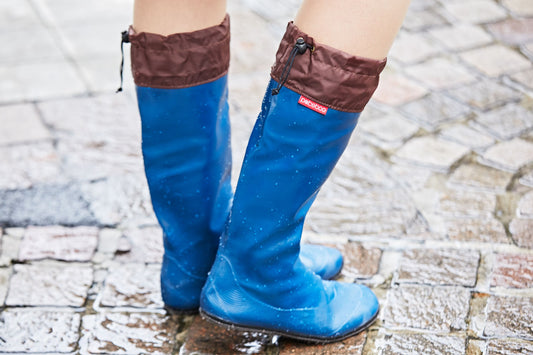
As overnight temperatures dropped, the campsite grass became covered in a thick layer of dew. Stepping outside the tent meant walking through long, soaking wet grass before the sun had a chance to dry it.
A short walk to the eco friendly long-drop toilets, (much better than the chemical ones btw) the water point or simply stretching your legs was enough to leave trainers and socks completely soaked.
It's one of those festival realities that rarely gets mentioned. Let's not mention the random seagulls at dawn!

Who knew about the dew?!
Morning dew forms when warm daytime temperatures are followed by much cooler nights. Moisture in the air condenses onto grass, creating a surprisingly wet surface even though no rain has fallen.
At Beatherder, this happened every morning.
By lunchtime, you'd never know it had been there.
But between sunrise and breakfast, the campsite felt completely different.
For anyone camping, that first walk of the day became the wettest part of the entire festival.

Why lightweight waterproof boots made sense
Rather than spending the whole weekend wearing boots, they became part of the morning routine.
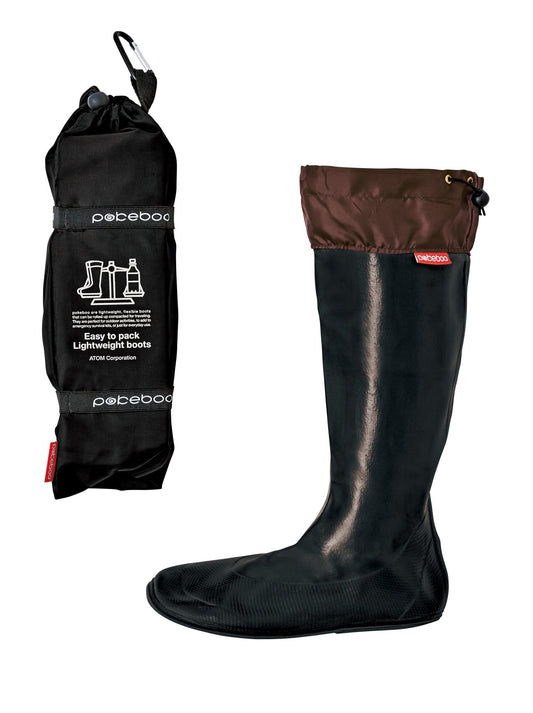
A lightweight pair of waterproof boots could be slipped on straight outside the tent before the day began.
They kept feet dry while:
- Walking through dew-soaked grass.
- Visiting the long-drop toilets.
- Collecting water.
- Making breakfast.
- Exploring the campsite before everyone else had woken up.
Because they were lightweight and comfortable, they were easy to wear for those early morning jobs before changing into lighter footwear once the sun had dried the ground.
It wasn't about expecting rain.
It was about being prepared for the conditions that actually existed.
Comfort matters after dancing until/after Midnight
Festival footwear isn't only about staying dry.
After hours spent walking, dancing and exploring uneven fields, tired feet appreciate comfortable, supportive footwear first thing the next morning.
Lightweight waterproof boots offered reassurance on sloping campsites, uneven grass and the occasional hidden stone, especially before everyone was fully awake.
As darkness fell each evening, they also provided more protection than sandals or flip-flops when moving around the campsite.
Can't decide which is best - read our guide on Original Pokeboo Vs Pokeboo TREAD here

The Long-Drop Compost Toilet Reality
Let's be honest.
Every festival has one unavoidable morning destination.
The compost toilets... That being said, they're a much better option than the chemical ones.
Early mornings often meant damp grass, uneven ground and the occasional muddy patch around busy areas.
Pulling on waterproof boots before leaving the tent felt far more practical than wandering across the campsite in bare feet or lightweight flip-flops.
"Slipping them on each morning felt almost like pulling on a pair of silky waterproof socks - easy, comfortable and ready for whatever the campsite had in store".
Rolling pyjama bottoms up above the boots also helped keep everything clean and dry during those first sleepy walks of the day.
It's not glamorous advice - but it's the kind of practical tip that only comes from spending several days living in a field.

By lunchtime everything changed
One of the biggest surprises at Beatherder was how quickly conditions changed.
As the sun climbed higher, the dew disappeared and temperatures rose to around 25 - 28°C.
At that point, trainers or sandals became the obvious choice for enjoying the music, food, art installations and incredible atmosphere around the festival.
The boots went back into their compact carry bag, ready for the following morning.
That flexibility turned out to be one of the biggest advantages of travelling with lightweight packable footwear.
It's not just festivals
Morning dew catches people out in many outdoor settings.
The same conditions are common when:
- Camping holidays.
- Caravan and motorhome trips.
- Early morning dog walks.
- Walking through country parks.
- Visiting National Trust properties.
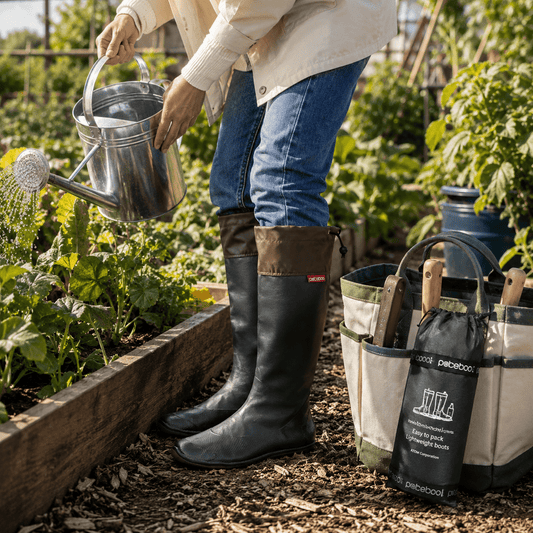
- Gardening before the heat of the day.
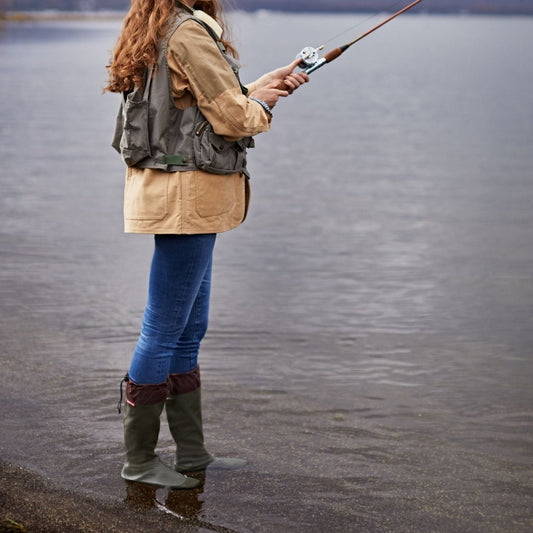
- Fishing at sunrise.
- Outdoor photography.
- Backpacking.
- Weekend trips away.
Many people think waterproof boots are only useful when rain is forecast.
In reality, wet grass can leave trainers soaked surprisingly quickly, even during a completely dry spell of weather.

Festival Footwear Reality Check
| Conditions | What Actually Happened |
|---|---|
| Rainfall | None throughout the festival |
| Daytime temperatures | Around 25-28°C |
| Ground during the day | Dry and dusty |
| Ground each morning | Covered in heavy dew |
| Best time for waterproof boots | Early morning and after dark |
| Best daytime footwear | Trainers or sandals once the grass had dried |
What we learned
Beat Herder 2026 proved that waterproof boots aren't just for mud.
Sometimes the most useful piece of festival kit solves a problem you weren't expecting.
Heavy morning dew, uneven campsites and those first walks before breakfast turned out to be a better reason for packing waterproof boots than rain itself.
By the afternoon, sandals and trainers took over.
By the next sunrise, the boots were the first thing to be reached for again.
Because sometimes it's not the weather forecast that matters most.
It's the walk across a dew-covered campsite at 7 am.

Field Notes – Key Takeaways
✔ Waterproof boots aren't only for rainy festivals.
✔ Morning dew can soak trainers within minutes.
✔ Lightweight packable boots are ideal for early mornings and late evenings.
✔ Changing footwear throughout the day is often more comfortable than wearing one pair all weekend.
✔ The best festival gear isn't always the gear you expected to use most.
Festival Footwear Reality Check
Weather forecast
☀️ Four days of sunshine
Highest daytime temperature
🌡️ Around 25-28°C
Ground conditions
✅ Dry
Biggest footwear surprise
🌿 Heavy morning dew
Most useful time for waterproof boots
🌅 Before breakfast
THANK YOU - HERD EM UP 2027!!! Lots of love from us - Original 2006 Veterans X
Planning your next festival or camping adventure?
Explore the Pokeboo range of lightweight, packable waterproof boots -designed for the unexpected moments that make outdoor adventures memorable! :-)))
This article wasn't planned before the festival. It was inspired afterwards by one unexpected discovery: sometimes the biggest outdoor challenges aren't the ones you check on the weather forecast! ;-)))